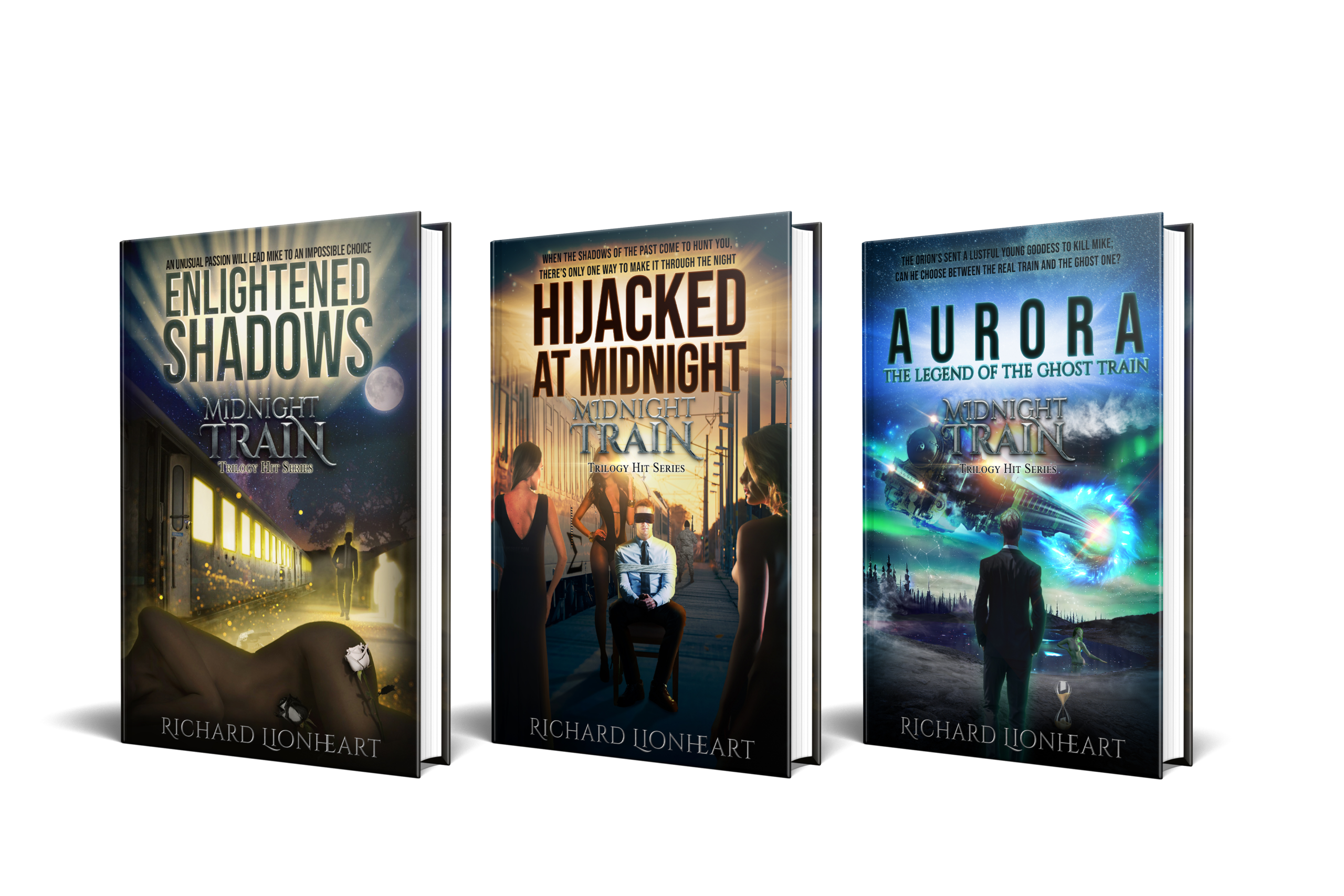
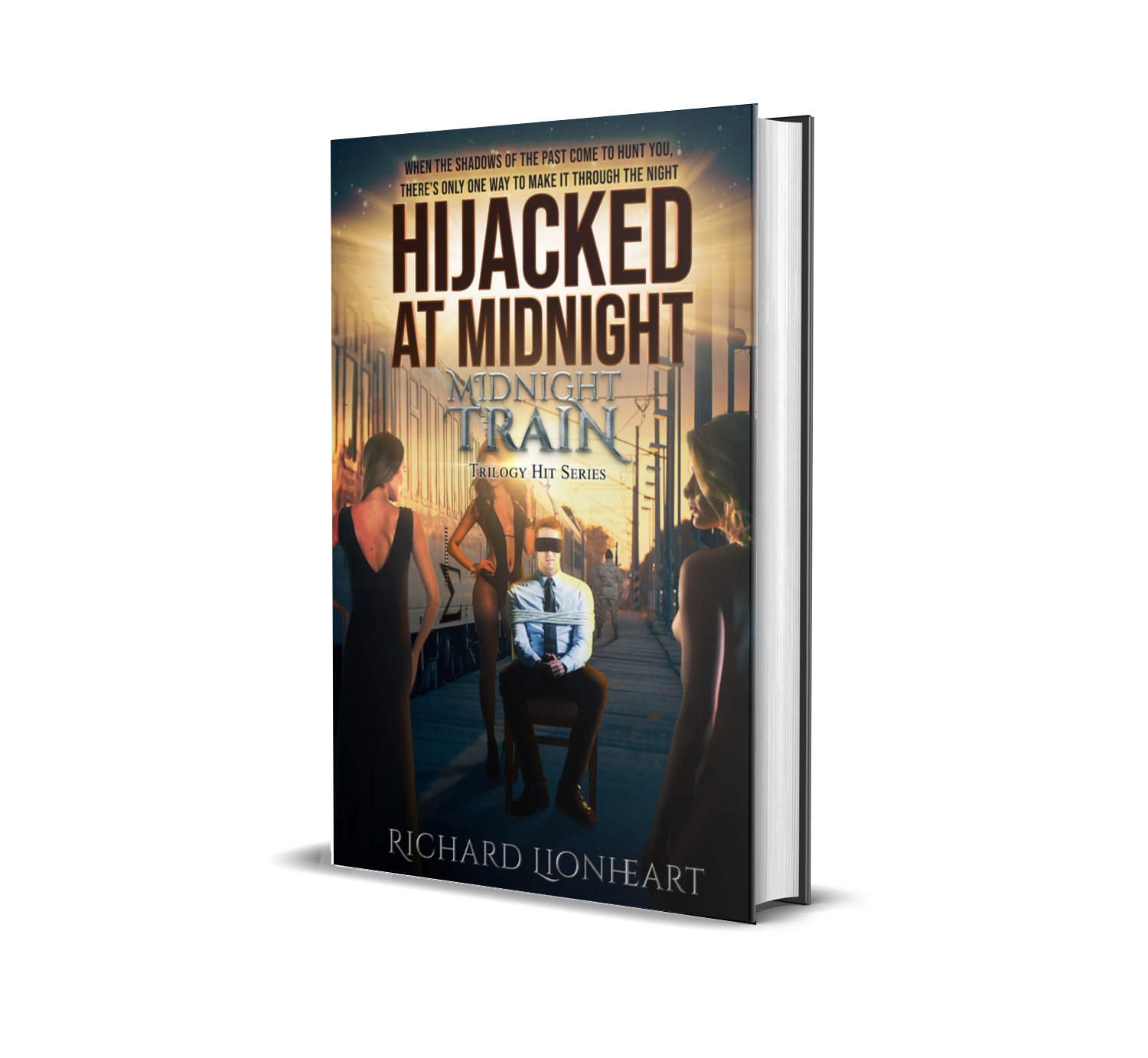
When I designed the structure of Hijacked at Midnight, I made one decision that changed everything about how the book would work. The process has 3 pillars, one of which is the emotional architecture.
I would not plot it. I would map it emotionally.
Most thrillers are built around events — what happens next, who does what, when the danger arrives. Hijacked at Midnight is built around something different. It is built around what Mike Dunleavy feels — and specifically, around the precise sequence of feelings that a man experiences when the one mechanism he has used to survive the worst loss of his life is taken away from him completely.
That mechanism is control. And it is going to be dismantled, stage by stage, across a single night aboard a train from Cartagena to Medellín.
The Six Stages
When I mapped the book's emotional arc, I landed on six stages. Not five. Not seven. Six — because each one is genuinely distinct, and each one is necessary before the next becomes possible.
They arrived in this order:
Anger. This is where Mike begins. He boards the train at 12:39 am in complete command of his world — a schedule, a meeting, a life rebuilt on his own terms. When the hijacking begins, he responds the only way a control freak knows how: with resistance. His anger is not hot. It is architectural. The fury of a man whose structure is being violated.
Hatred. Anger hardens when it has no effect. Mike tries everything he knows — charm, authority, strategic thinking, force of will. None of it works. The six women are unmoved. What replaces his anger is colder and more dangerous. He begins to hate — the situation, the women, and quietly, himself for being in it.
Hopelessness. This is where the night turns. The old nemesis arrives. Two threats simultaneously. Mike's resources are exhausted, and the night is longer than he calculated. The fight goes out of him — not acceptance, something more total than that—the specific collapse of a man who has run out of moves.
Despair. The deepest valley. This is where the wound reopens. Cabin 417. Nathalie. Three years of careful reconstruction, dismantled in a single night on a train. Mike at his most exposed — raw, open, vulnerable in a way he has not allowed since he lost her. He stops pretending. This is the most important stage in the book because it makes everything that follows possible.
Release. The paradox at the center of the book. Having nothing left to defend, Mike becomes more present than he has been in years. Not weaker — the opposite. He stops fighting the train and starts moving with it. The women respond differently to a man who has stopped resisting. Something opens that the anger, the hatred, and the hopelessness had kept shut.
Bliss. The destination. Not happiness — something larger and quieter than happiness. The specific freedom of a man who has been broken open and survived it. The night is almost over. The finale approaches. And in the final hours before Medellín, something happens that Mike Dunleavy did not expect when he boarded this train.
Why structure matters more than plot
A plot tells you what happens. A structure tells you what it means.
The six stages of Hijacked at Midnight are not chapter headings or marketing language. They are the actual psychological architecture of what a human being experiences when the thing they have been using to protect themselves is removed — completely, without apology, in the course of a single night.
I have been thinking about this arc since 2022, when I first conceived the book. It took several years to understand why it felt right. The answer is simple: it is true. Not just for Mike. For anyone who has ever rebuilt their life around control after a loss, only to have that control taken away.
That is why the book is set on a train. You cannot get off. You cannot reroute. The train goes where it goes and arrives when it arrives. The only variable is what happens inside you between the departure and the destination.
Mike Dunleavy boards at 12:39 am as one man. He arrives in Medellín as another.
The six stages are what happened in between.
— Richard Lionheart, 2026